

Reflow soldering is a vital course of action in the electronics manufacturing market, and the reflow oven plays a pivotal part in this transformative process. This crucial piece of equipment has revolutionized the way electronic elements are assembled onto printed circuit boards (PCBs), ensuring precision, consistency, and reliability in the final product. In this write-up, we will delve into the world of reflow ovens, exploring their significance, operating principles, and their effect on the electronics manufacturing sector.
yoursite.com are at the heart of surface mount technology (SMT) assembly, a strategy made use of to solder electronic elements onto PCBs. They have become indispensable tools for producers, supplying a extra effective and cost-powerful remedy compared to classic soldering solutions. The reflow oven is made to produce a controlled environment for heating and melting solder paste, which is applied to the PCB ahead of component placement.
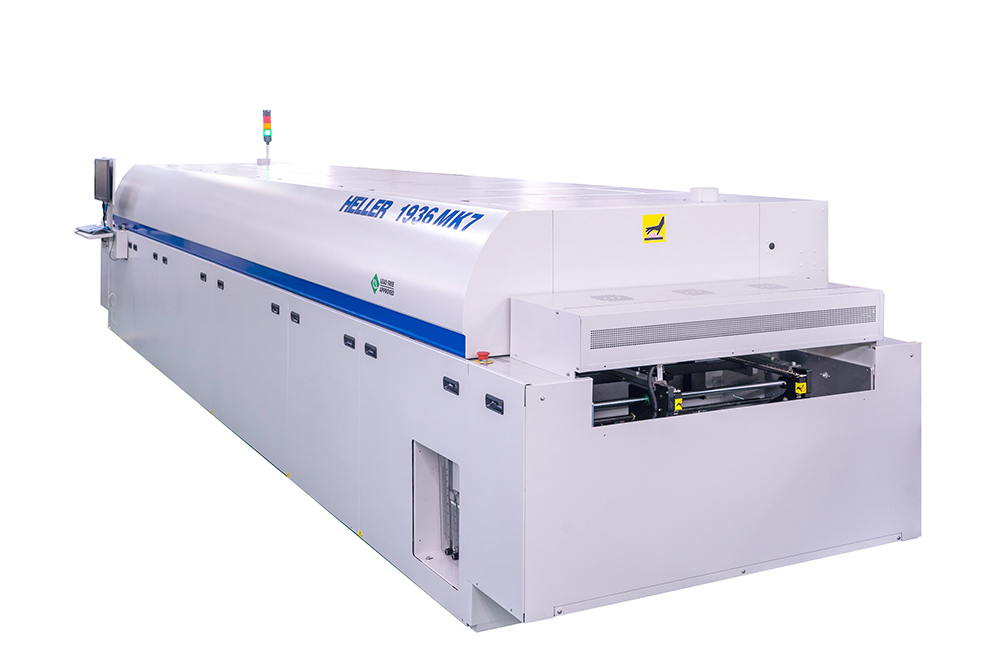
The working principle of a reflow oven is pretty simple. The oven consists of many zones with precise temperature controls. Ordinarily, these zones include things like preheat, soak, and reflow stages. For the duration of the preheat stage, the oven progressively raises the temperature to activate the flux in the solder paste, which helps get rid of any oxidation from the PCB and elements. The soak stage holds the temperature steady to assure uniform heating, and finally, the reflow stage rapidly increases the temperature to melt the solder paste, making sturdy and reputable solder joints.
A single of the essential benefits of reflow ovens is their capacity to generate consistent, higher-high quality solder joints. The precise temperature handle and even heating distribution outcome in solder connections that are far extra dependable than those accomplished with manual soldering. This level of consistency is vital in the electronics sector, exactly where reliability is paramount, and even a single terrible joint can lead to item failure.
Additionally, reflow ovens are hugely effective. They can manage multiple PCBs simultaneously, drastically growing production throughput. This efficiency is further enhanced by the capability to build customized temperature profiles for various PCBs, allowing producers to cater to a wide variety of item needs.
In recent years, there has been a trend toward smaller sized, extra compact reflow ovens. This is driven by the miniaturization of electronic devices, where smaller sized PCBs and components are increasingly typical. These compact ovens keep the identical higher level of precision and handle as their larger counterparts, producing them best for companies with restricted space or certain solution needs.
Reflow ovens have also evolved to accommodate lead-cost-free soldering processes. The electronics business has moved away from lead-based solder due to environmental concerns, and reflow ovens have adapted to perform with lead-cost-free solder pastes, ensuring compliance with international regulations and requirements.
The influence of reflow ovens on the electronics manufacturing sector is profound. They have enabled the production of smaller sized and additional complex electronic devices when sustaining higher levels of reliability. In addition to their efficiency and consistency, reflow ovens have played a pivotal function in minimizing the expense of manufacturing, as they need less manual labor and produce fewer defects.
In conclusion, reflow ovens are the unsung heroes of electronics manufacturing. They have transformed the way electronic elements are soldered onto PCBs, supplying precision, consistency, and efficiency that is unmatched by standard soldering procedures. As the electronics business continues to evolve and demand smaller, extra highly effective devices, reflow ovens will remain at the forefront of innovation, ensuring the production of high-good quality, trustworthy electronic items for years to come.


Leave a Reply