

Surah Al Kahaf, the 18th chapter of the Holy Quran, holds immense significance in Islam. Every Muslim is encouraged to recite it on Fridays due to the numerous spiritual benefits it offers.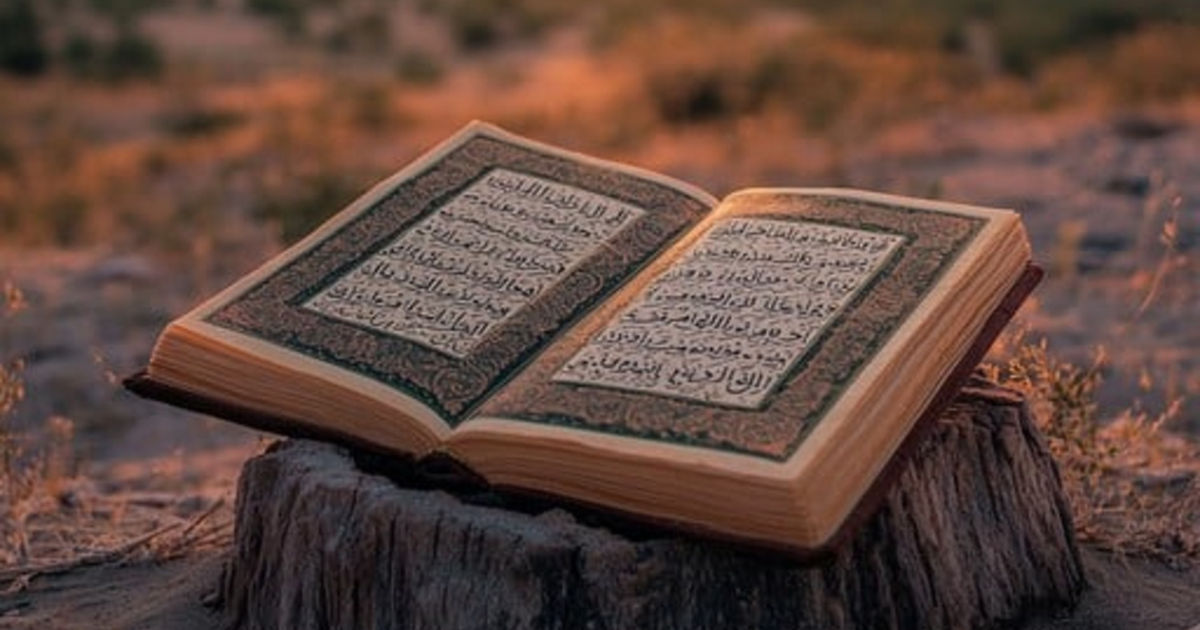
Surah Al Kahaf is rich with lessons, guidance, and wisdom that can help believers navigate the trials of life. Its stories and messages not only inspire faith but also provide moral, ethical, and spiritual frameworks for personal development.
Understanding the main themes of Surah Al Kahaf is essential for anyone seeking to strengthen their connection with Allah and live a life rooted in righteousness.
The primary purpose of this blog post is to explore the central themes of Surah Al Kahaf in a detailed and structured manner.
We will break down its stories, lessons, and messages, highlighting how they are relevant for modern-day life. By the end, you will gain a deep understanding of this sacred chapter and its enduring significance.
Importance of Surah Al Kahaf
Before diving into the main themes, it is crucial to understand why Surah Al Kahaf holds such a distinguished place in Islam. The Prophet Muhammad (peace be upon him) emphasized its recitation, stating that those who read it on Fridays are protected from trials and tribulations, particularly from the fitnah (tests) of the Dajjal. The chapter serves as a spiritual shield, offering guidance, comfort, and reminders of Allah’s wisdom and power.
The chapter is also remarkable for its narrative style. It combines historical stories, moral lessons, and divine wisdom to communicate universal truths. By studying the themes of Surah Al Kahaf, believers can gain insight into how faith, patience, and humility can help them overcome life’s challenges.
The Story of the People of the Cave
One of the most prominent stories in Surah Al Kahaf is the story of the People of the Cave (Ashab al-Kahf). This narrative highlights themes of faith, patience, and divine protection.
The People of the Cave were young believers who lived during a time of oppression. They sought refuge in a cave to escape persecution for their faith in Allah. Remarkably, Allah caused them to sleep for many years, preserving them as a miracle and a sign for future generations.
Key Lessons from the People of the Cave:
-
Faith in Allah: Despite facing severe trials, the young believers remained steadfast in their faith.
-
Trust in Divine Protection: Their story demonstrates that true reliance on Allah can lead to miraculous outcomes.
-
Patience in Trials: The story emphasizes patience in the face of adversity, highlighting that Allah’s wisdom often surpasses human understanding.
-
Hope and Resilience: The story instills hope, showing that even in dire circumstances, Allah can protect and guide His servants.
This story sets the tone for the overall message of Surah Al Kahaf, where reliance on Allah and moral integrity is consistently highlighted.
The Parable of Wealth and Power
Another significant theme in Surah Al Kahaf revolves around wealth, power, and the human tendency toward arrogance. The chapter narrates the story of two men, one rich and one poor, to convey profound lessons about materialism, gratitude, and humility.
The wealthy man was proud of his possessions and believed they guaranteed his happiness and superiority. The poor man, however, remained humble and grateful to Allah. Eventually, the wealthy man lost everything, reminding believers that worldly wealth is temporary and should not lead to arrogance.
Lessons from the Wealth Parable:
-
Humility and Gratitude: True wealth lies in contentment and gratitude toward Allah.
-
Impermanence of Material Wealth: Life’s trials and possessions are temporary; spiritual richness matters more.
-
Avoiding Arrogance: Arrogance can lead to downfall, whereas humility and faith earn Allah’s favor.
-
Responsibility of Wealth: Wealth should be used for good deeds and helping others rather than fostering pride.
This story teaches believers to focus on spiritual growth rather than solely on worldly gains, a recurring theme in Surah Al Kahaf.
Knowledge and Guidance: The Story of Prophet Musa (Moses) and Al-Khidr
A central part of Surah Al Kahaf is the story of Prophet Musa (Moses) seeking knowledge from Al-Khidr, a wise servant of Allah. This story emphasizes themes of divine wisdom, patience, and understanding beyond human perception.
Musa initially struggles to comprehend Al-Khidr’s actions, which seem unjust or confusing. However, Al-Khidr teaches him that Allah’s wisdom often surpasses human understanding, and every action has a divine purpose.
Lessons from the Musa-Al-Khidr Narrative:
-
Seeking Knowledge: Continuous learning and seeking guidance are crucial for spiritual growth.
-
Patience and Humility: True understanding requires patience and humility before divine wisdom.
-
Trust in Allah’s Plan: Even when events seem unfair, Allah’s plan is perfect and purposeful.
-
Beyond Appearances: Not everything is as it seems; believers must trust Allah’s wisdom in all matters.
This story reinforces a key theme of Surah Al Kahaf: human limitations in understanding divine wisdom and the importance of trust and patience.
The Theme of Trials and Tests
Surah Al Kahaf repeatedly highlights that life is full of trials, and these tests are part of Allah’s divine plan. These trials can be related to faith, wealth, knowledge, or social influence. The chapter emphasizes that believers should remain steadfast and seek guidance through prayer and moral integrity.
Examples of Trials in Surah Al Kahaf:
-
Trial of Faith: The People of the Cave endured persecution for their belief in Allah.
-
Trial of Wealth: The story of the two men illustrates the moral challenges associated with wealth.
-
Trial of Knowledge: Musa’s interaction with Al-Khidr represents the trial of understanding and patience.
Through these examples, Surah Al Kahaf teaches that life’s challenges are not punishments but opportunities for growth, moral refinement, and spiritual resilience.
The Concept of Time and the Worldly Life
A recurring theme in Surah Al Kahaf is the transient nature of worldly life. The chapter reminds believers that earthly life is temporary, and true success lies in preparing for the Hereafter.
The stories of wealth, power, and human arrogance underscore the fleeting nature of material possessions. In contrast, faith, good deeds, and reliance on Allah have eternal value. By reflecting on this theme, believers are encouraged to prioritize spiritual growth over worldly gains.
Lessons on Time and Life:
-
Impermanence of Worldly Possessions: Material wealth is fleeting; spiritual richness lasts.
-
Preparation for the Hereafter: Life should be lived with awareness of eternal consequences.
-
Reflection and Accountability: Believers must continually assess their actions and intentions.
This perspective encourages mindfulness, gratitude, and purposeful living, which are essential components of Islamic teachings.
Protection from Fitnah (Trials of Deception)
One of the unique aspects of Surah Al Kahaf is its emphasis on protection from fitnah, particularly the fitnah of Dajjal (the false messiah). The Prophet Muhammad (peace be upon him) mentioned that reciting this chapter on Fridays serves as a shield against deception and misguidance.
The stories of trials, wealth, and divine wisdom collectively prepare believers to face deception and maintain their faith. By internalizing the lessons of Surah Al Kahaf, believers strengthen their spiritual defenses against misleading influences and moral corruption.
Lessons on Divine Power and Human Limitation
Throughout Surah Al Kahaf, Allah’s power, knowledge, and authority are highlighted in contrast with human limitations. The chapter consistently emphasizes that only Allah possesses complete knowledge of the unseen, the future, and the consequences of every action.
Believers are reminded to rely on Allah, seek guidance through prayer, and act with humility. The stories and parables in Surah Al Kahaf encourage reflection on the vastness of divine power and the importance of aligning human actions with moral and spiritual principles.
Moral and Ethical Guidance
Surah Al Kahaf offers practical moral and ethical guidance for daily life. The stories, parables, and teachings emphasize honesty, patience, humility, gratitude, and reliance on Allah. By following these principles, believers can navigate social, personal, and spiritual challenges effectively.
Key Moral Lessons:
-
Integrity in Actions: Maintain honesty and ethical conduct in all affairs.
-
Humility and Gratitude: Avoid arrogance and recognize Allah’s blessings in all circumstances.
-
Patience in Adversity: Challenges are opportunities to demonstrate faith and resilience.
-
Spiritual Reflection: Continuously reflect on the purpose of life and prepare for the Hereafter.
These moral lessons make Surah Al Kahaf not only a chapter of guidance but also a blueprint for righteous living.
Relevance of Surah Al Kahaf in Modern Life
The themes of Surah Al Kahaf remain relevant in today’s fast-paced and often materialistic world. Modern challenges, such as the pursuit of wealth, influence of social media, and moral dilemmas, resonate with the lessons highlighted in the chapter.
By understanding the main themes of Surah Al Kahaf, believers can:
-
Resist materialistic temptations and maintain humility.
-
Approach life’s trials with patience and faith.
-
Seek knowledge and understanding while trusting Allah’s wisdom.
-
Prepare for the spiritual challenges of the contemporary world.
These insights provide practical guidance for leading a balanced, purposeful, and spiritually fulfilling life.
Conclusion
In summary, Surah Al Kahaf is a chapter rich with wisdom, guidance, and spiritual insights. Its main themes include faith, patience, humility, trust in divine wisdom, the impermanence of worldly life, and protection from trials and deception. The stories of the People of the Cave, the wealthy and poor men, and Musa with Al-Khidr provide timeless lessons for believers, emphasizing moral, ethical, and spiritual development.
Reciting and reflecting on Surah Al Kahaf equips Muslims with tools to navigate the complexities of life, maintain a strong connection with Allah, and prioritize the eternal over the temporary. Its relevance spans centuries, offering guidance that is as practical and profound today as it was at the time of revelation.
For anyone seeking spiritual growth, resilience, and understanding of divine wisdom, Surah Al Kahaf is not only a chapter to be recited but a guide to be deeply understood and applied in daily life.


Leave a Reply