

In the digital age, information comes in many forms, including images, PDFs, and scanned documents. Often, the text you need is locked inside an image, making it impossible to copy or search directly. This is where a JPG to Text extractor becomes incredibly useful.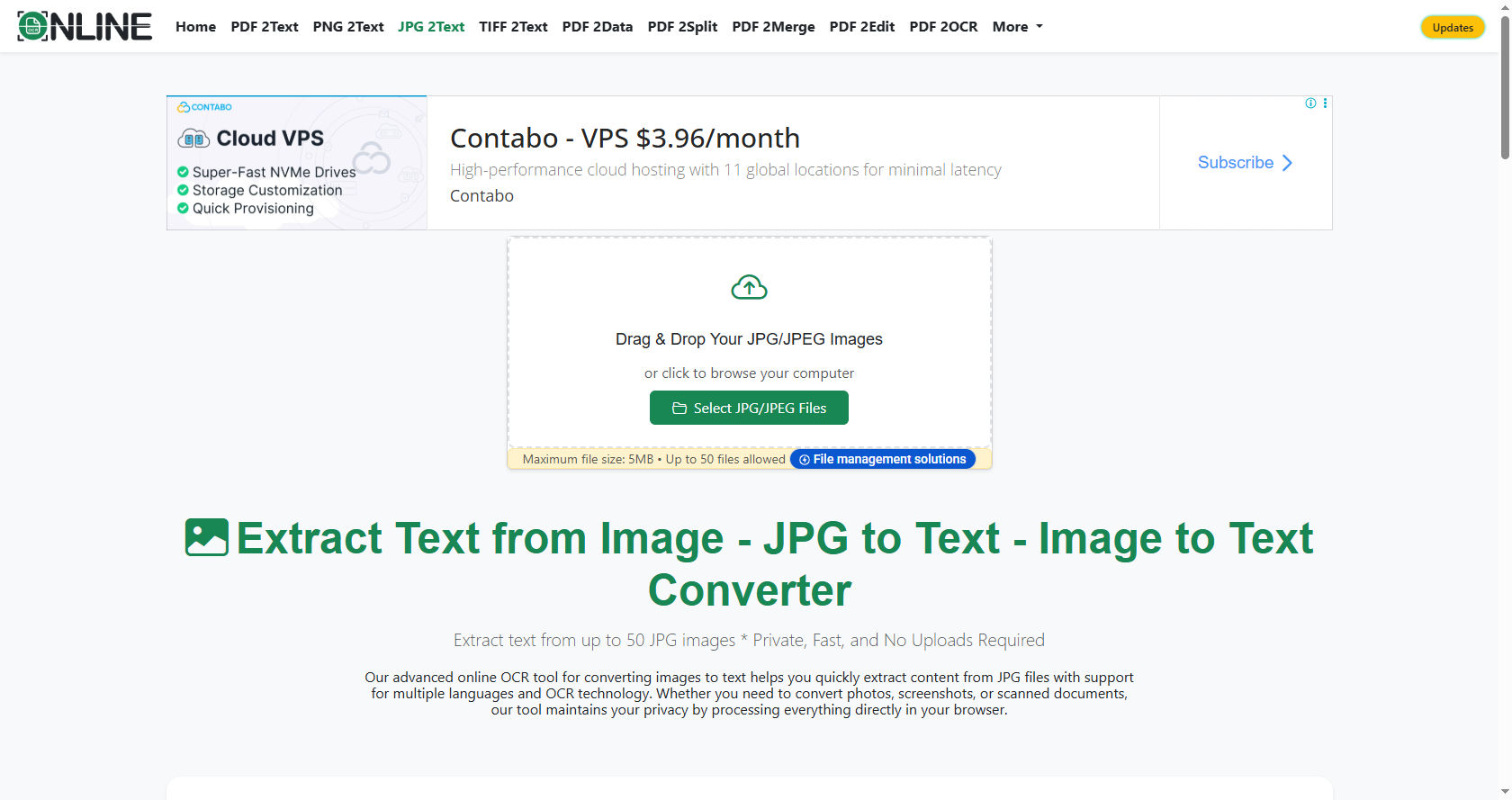
It allows you to take the text from an image and convert it into an editable and usable format. For students, professionals, and everyday users, this technology saves time and effort.
Images, especially JPGs, are widely used because they maintain quality while keeping file sizes relatively small. But the downside is that text in JPG images is static.
Without a proper extraction tool, you cannot search, edit, or process the information efficiently. A JPG to Text extractor solves this problem by bridging the gap between images and editable text.
What is a JPG to Text Extractor?
A JPG to Text extractor is software or an online tool that uses optical character recognition (OCR) technology to identify and extract text from images. It scans the image, recognizes letters, words, and sentences, and converts them into digital text that you can copy, edit, or store. The technology has evolved significantly over the years, making extraction faster, more accurate, and easier for everyone.
The core advantage of this technology is accessibility. Imagine receiving a scanned document as a JPG image. Without extraction, you would need to type everything manually. But a JPG to Text extractor completes this task within seconds. This is especially helpful for students who need to analyze study materials, for writers working with references, or for businesses handling invoices and reports.
How Does JPG to Text Extraction Work?
JPG to Text extraction relies on OCR technology. The process may sound complicated, but it is simple when broken down:
-
Image Upload: You start by uploading a JPG image containing text to the extractor tool.
-
Preprocessing: The tool enhances the image for better recognition, adjusting brightness, contrast, or sharpness.
-
Character Recognition: The software scans the image pixel by pixel to detect characters and words.
-
Text Conversion: Detected characters are converted into editable digital text.
-
Output: You receive the extracted text in a format that you can copy, save, or use in other applications.
With advanced OCR, even handwritten text or text in complex fonts can often be recognized. This makes JPG to Text extractors extremely versatile.
Benefits of Using JPG to Text Extractors
The importance of JPG to Text extractors goes beyond just converting text. Here’s why they are essential:
1. Saves Time and Effort
Manually typing text from an image is time-consuming. A single page might take 10–15 minutes or more to type accurately. With a JPG to Text extractor, the process takes only seconds. This efficiency is invaluable for students, office workers, or researchers who handle large volumes of data.
2. Improves Accuracy
Typing manually increases the chances of errors. OCR technology ensures that extracted text is highly accurate. Modern extractors can detect punctuation, special characters, and even formatting in some cases. Using a JPG to Text tool reduces mistakes and improves productivity.
3. Supports Multiple Languages
Many extractors support multiple languages, enabling users to extract text from images in English, Spanish, French, Chinese, and more. This global accessibility is especially useful in today’s multicultural work and educational environments.
4. Enhances Accessibility
Text in an image is not searchable or readable by screen readers for people with visual impairments. By converting a JPG to Text, the content becomes accessible to everyone. This promotes inclusivity and helps meet accessibility standards.
5. Facilitates Digital Storage and Search
Digital text can be stored, indexed, and searched easily. If you have hundreds of scanned notes, a JPG to Text extractor allows you to organize them and retrieve information quickly. Searching for keywords becomes instantaneous, unlike scrolling through images manually.
6. Enables Editing and Sharing
Once text is extracted from a JPG image, it becomes editable. You can modify content, create reports, or share information in different formats like Word or PDF. This flexibility is one of the strongest advantages of using a JPG to Text extractor.
Common Uses of JPG to Text Extraction
Understanding practical applications can highlight the real-world importance of this tool. Some common use cases include:
Academic Purposes
Students often receive lecture slides, scanned notes, or study materials as JPG images. Typing all this content manually is tedious. A JPG to Text extractor allows them to quickly convert the material into editable text for summarizing, annotating, or creating study guides.
Business Documentation
Businesses frequently handle invoices, receipts, contracts, and reports in image format. Extracting text helps in digital bookkeeping, analyzing data, and maintaining organized records. This reduces administrative workload and improves efficiency.
Legal and Government Work
Legal professionals often receive scanned documents or case files in JPG format. Extracting text allows them to search through contracts, court orders, or agreements quickly. Similarly, government offices use text extraction for digitizing public records.
Content Creation
Writers, bloggers, and journalists often encounter images with quotes, tables, or references. A JPG to Text extractor allows them to reuse content efficiently without retyping. This is especially helpful when working under tight deadlines.
Language Translation
When you need to translate text in an image, manual typing is not feasible. Extracted text can be fed into translation tools, making the process faster and more accurate. This simplifies international communication.
Choosing the Right JPG to Text Extractor
Not all extractors are equal. Choosing the right tool depends on your needs. Here are some factors to consider:
Accuracy
Look for a tool that has high OCR accuracy. Accuracy depends on image quality, font type, and language support. A reliable JPG to Text extractor should handle these challenges efficiently.
Speed
Some tools can process multiple pages quickly, while others may take longer. Consider how often you need extraction and the volume of images you handle.
Supported Formats
While JPG is the primary focus, many extractors also support PNG, TIFF, or PDF formats. A versatile tool can save you from using multiple platforms.
Editing Features
Some extractors allow you to edit text directly within the tool. This is convenient if you need quick corrections before saving or exporting.
Security and Privacy
If you handle sensitive documents, choose a tool that ensures data privacy and security. Cloud-based services should guarantee encryption and no storage of your documents without consent.
Cost
Many extractors are free with basic features, while premium versions offer faster processing and better accuracy. Evaluate your budget and requirements before selecting a tool.
Steps to Convert JPG to Text Efficiently
Using a JPG to Text extractor is straightforward. Here is a step-by-step guide:
-
Choose a Reliable Tool: Research and pick a tool that suits your needs.
-
Upload the Image: Ensure the JPG is clear and properly oriented.
-
Adjust Settings: Some tools allow you to enhance the image or select the language.
-
Start Extraction: Click the extract button and wait for the process to complete.
-
Review the Text: Check for errors or formatting issues.
-
Export or Copy: Save the extracted text in your preferred format or copy it for immediate use.
Following these steps ensures accurate and efficient text extraction.
Challenges in JPG to Text Conversion
While JPG to Text extractors are highly effective, there are some challenges:
Poor Image Quality
Blurry or pixelated images may lead to incorrect text recognition. It’s essential to use high-resolution images for better results.
Complex Fonts and Layouts
Fancy fonts, handwritten notes, or complex table layouts can reduce accuracy. Advanced OCR tools may handle this better, but some errors are still possible.
Language Limitations
Some extractors may struggle with less common languages or special characters. Always check language support before using a tool for critical documents.
Privacy Concerns
Uploading sensitive documents to online tools may pose privacy risks. Choosing a trusted extractor or using offline software mitigates this issue.
Despite these challenges, the benefits of using a JPG to Text extractor far outweigh the drawbacks.
Future of JPG to Text Technology
OCR and image-to-text technology continue to evolve. Future advancements may include:
-
Real-time Extraction: Using mobile cameras to instantly convert text in real-world objects.
-
Enhanced Accuracy: AI-driven OCR that can handle handwriting, difficult fonts, and multi-language documents seamlessly.
-
Integration with Applications: Direct integration with productivity tools like Word, Google Docs, and note-taking apps.
-
Accessibility Improvements: Better support for visually impaired users and automated document summaries.
These innovations will make converting JPG to Text even more accessible and powerful.
Tips for Maximizing JPG to Text Accuracy
To get the best results from a JPG to Text extractor, follow these tips:
-
Use clear, high-resolution images.
-
Ensure proper lighting and contrast.
-
Avoid skewed or rotated images.
-
Choose extractors with multi-language support if needed.
-
Proofread the extracted text before final use.
By following these tips, you can minimize errors and maximize productivity.
Conclusion
In a world where information comes in various forms, JPG to Text extractors are indispensable tools. They save time, improve accuracy, and make text accessible, editable, and shareable. From students converting lecture notes to businesses digitizing invoices, the benefits are widespread.
While challenges like poor image quality or complex fonts exist, modern OCR technology has made these tools more reliable than ever. By choosing the right extractor and following best practices, anyone can leverage the power of converting JPG images to editable text.
Ultimately, a JPG to Text extractor transforms static images into dynamic, usable information, making it a vital tool for productivity, accessibility, and efficiency in today’s digital world.


Leave a Reply