

Pakistani Fashion is a vibrant and diverse expression of culture, history, and identity. From the bustling streets of Karachi to the scenic valleys of Gilgit-Baltistan, every region in Pakistan carries its own unique style and aesthetic.
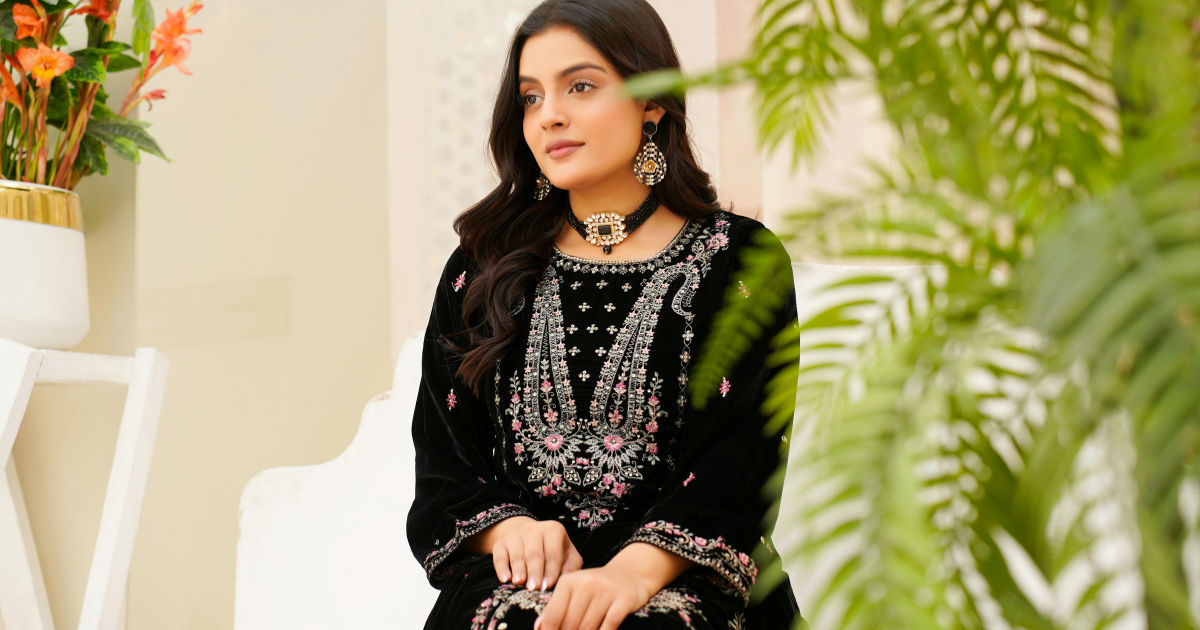
Understanding Pakistani regional style differences is not only about appreciating clothing but also about recognizing the stories, traditions, and heritage behind them.
This guide on nani je explores the regional variations in Pakistani Fashion, highlighting how geography, climate, history, and culture shape what people wear across the country.
Introduction to Pakistani Fashion
Pakistani Fashion is a blend of tradition and modernity, reflecting the country’s multicultural society. It is characterized by rich fabrics, intricate embroidery, vibrant colors, and diverse silhouettes. Regional differences in clothing are pronounced, with each province and ethnic group contributing its own distinctive style. These styles are influenced by historical trade routes, local climate, natural resources, and cultural practices.
Understanding these regional differences helps to appreciate the depth and diversity of Pakistani Fashion. It also showcases how clothing is more than just a necessity—it is an art form, a symbol of identity, and a way to celebrate cultural heritage.
Punjab: Vibrancy and Elegance
Punjab is one of the most populous provinces in Pakistan, known for its lively culture and vibrant traditions. Punjabi Fashion reflects this energy with bright colors, bold patterns, and luxurious fabrics.
Traditional Dresses in Punjab
The traditional attire for women in Punjab is the shalwar kameez, often adorned with heavy embroidery, mirror work, and colorful prints. Dupattas (scarves) are essential, draped elegantly to complement the outfit. Men typically wear kurta pajama, sometimes paired with a waistcoat for formal occasions.
Fabrics and Colors
Punjab’s fertile land allows access to a variety of textiles, including cotton, silk, and chiffon. Popular colors include bright reds, yellows, greens, and blues. Embroidery styles like Phulkari—a floral and geometric stitching technique—are iconic to the region.
Modern Influence
In urban Punjab, particularly in Lahore, Pakistani Fashion has embraced modern trends. Designers mix traditional elements with contemporary cuts, creating a fusion of heritage and modern style.
Sindh: Rich Heritage and Intricate Craft
Sindhi Fashion is famous for its intricate craftsmanship and vibrant textiles. The culture emphasizes detailed embroidery, mirror work, and bold patterns.
Traditional Attire
Women in Sindh wear Sindhi Ajrak, a block-printed shawl or scarf, often paired with a long shalwar kameez. Men wear Sindhi caps and traditional kurta pajama ensembles.
Unique Elements
The hallmark of Sindhi Fashion is the use of Ajrak prints and mirror embroidery, reflecting a rich history of artisan skills passed down through generations. These patterns often feature geometric shapes and deep, earthy colors like indigo, maroon, and black.
Contemporary Trends
Modern Pakistani Fashion designers draw inspiration from Sindhi motifs to create fusion wear, combining traditional embroidery with contemporary silhouettes.
Balochistan: Minimalism and Functionality
Balochistan’s fashion reflects its rugged landscape and tribal culture. It is characterized by practicality, long flowing garments, and intricate needlework.
Women’s Attire
Balochi women wear long dresses called Balochi frocks, often heavily embroidered around the neck, sleeves, and hem. These dresses are paired with wide-legged trousers and sometimes a scarf or veil.
Men’s Attire
Men traditionally wear shalwar kameez with embroidery along the edges and cuffs. Turbans or traditional headwear are common, symbolizing tribal identity and heritage.
Fabric and Style
Due to the harsh climate, fabrics are generally lightweight but durable. The embroidery, although elaborate, is functional and meant to enhance the garment without reducing comfort.
Khyber Pakhtunkhwa: Heritage and Strength
Khyber Pakhtunkhwa (KP) is home to the Pashtun community, known for their strong cultural identity. Clothing here emphasizes modesty, practicality, and intricate detailing.
Women’s Clothing
Pashtun women wear shalwar kameez with detailed embroidery, often in floral or geometric patterns. The chador (a large scarf) is commonly used to cover the head and shoulders.
Men’s Clothing
Men wear Pashtun shalwar kameez, usually in neutral or earthy tones. A Pakol (soft woolen cap) is a common accessory. Embroidery on men’s clothing is simpler than women’s but adds an elegant touch to traditional attire.
Influence of Geography
The hilly terrain and cooler climate influence the choice of heavier fabrics, woolen accessories, and layering in clothing. Pakistani Fashion in KP blends utility with cultural expression.
Gilgit-Baltistan and Northern Areas: Alpine Elegance
The northern regions of Pakistan, including Gilgit-Baltistan and Chitral, have a unique style influenced by mountainous terrain, cold climate, and tribal culture.
Traditional Attire
Women wear long woolen coats, embroidered dresses, and scarves, while men wear thick woolen garments with unique headgear like the Pakistani Karakul hat.
Materials and Patterns
Wool, pashmina, and handwoven fabrics dominate northern Pakistani Fashion. Patterns often include geometric motifs, bright colors, and local embroidery techniques.
Adaptation to Modern Fashion
In recent years, designers have introduced contemporary cuts and styles while preserving traditional patterns and handcrafts. Winter Pakistani Fashion from this region is admired globally for its elegance and functionality.
Karachi: Cosmopolitan Fashion Hub
Karachi, the largest city in Pakistan, is a melting pot of regional influences. Pakistani Fashion in Karachi combines tradition with global trends, making it a hub for innovation and modern style.
Urban Trends
Urban Pakistani Fashion focuses on variety—luxury fabrics, designer shalwar kameez, casual wear, and western-style outfits coexist. Street markets offer traditional wear from all provinces, allowing for a mix of styles.
Designer Influence
Fashion designers in Karachi often incorporate regional embroidery, prints, and motifs into modern clothing. This blend has made Pakistani Fashion increasingly popular in international markets.
Regional Accessories and Jewelry
Accessories play a crucial role in distinguishing regional styles. Pakistani Fashion incorporates unique jewelry, shoes, and headwear in every province.
-
Punjab: Heavy gold and silver jewelry, bangles, and anklets.
-
Sindh: Beaded necklaces, colorful earrings, and mirror work accessories.
-
Balochistan: Tribal silver jewelry, functional belts, and embroidered scarves.
-
KP: Simple silver jewelry with traditional patterns.
-
Northern Areas: Pashmina shawls, woolen caps, and handcrafted jewelry.
Influence of Religion and Culture
Religion, festivals, and social customs also influence Pakistani Fashion. Modesty, ceremonial attire, and cultural celebrations affect clothing choices. During Ramadan, Eid, and weddings, traditional outfits with rich embroidery, bright colors, and luxurious fabrics are preferred across all regions.
Evolution of Pakistani Fashion
Pakistani Fashion has evolved significantly over the years. While traditional attire remains prominent, modern influences have introduced contemporary fabrics, cuts, and styles. Fashion weeks in Lahore, Karachi, and Islamabad showcase a blend of heritage and modernity, highlighting regional differences while appealing to urban audiences.
Fusion Wear
Modern Pakistani Fashion often fuses traditional embroidery, prints, and fabrics with western silhouettes. This trend allows younger generations to stay connected with their cultural roots while embracing global fashion trends.
Influence of Media
Television dramas, social media, and international exposure have accelerated the fusion of styles, bringing regional Pakistani Fashion to the forefront of global fashion discussions.
Celebrating Diversity Through Fashion
One of the most remarkable aspects of Pakistani Fashion is its celebration of diversity. Each region contributes its own identity, allowing people to express their heritage proudly. Clothing becomes a conversation between the past and the present, tradition and modernity, rural and urban life.
Conclusion
Pakistani regional style differences highlight the richness of the country’s culture and history. From Punjab’s vibrant Phulkari work to Sindh’s Ajrak prints, Balochistan’s practical embroidery, KP’s modest elegance, and the northern regions’ woolen craftsmanship, each province tells a unique story through fashion.
Pakistani Fashion is not merely about clothing—it is an art form, a social statement, and a bridge between generations. By understanding and appreciating these regional differences, one can gain deeper insight into Pakistan’s diverse heritage. Whether traditional or modern, urban or rural, Pakistani Fashion continues to evolve while preserving the essence of its roots.
For anyone exploring Pakistani Fashion, recognizing these regional nuances adds depth to the experience. It allows one to see clothing not just as fabric but as a reflection of identity, geography, and culture. The diversity in Pakistani Fashion is a testament to the country’s rich history, artistry, and enduring cultural pride.


Leave a Reply