

body {
font-family: Arial, sans-serif;
line-height: 1.6;
color: #333;
background-color: #f8f8f8;
margin: 20px;
}
h1 {
color: #4A90E2;
}
h2 {
color: #D35400;
}
p {
margin: 15px 0;
}
ul {
margin: 10px 0 10px 20px;
}
a {
color: #2980B9;
text-decoration: none;
}
a:hover {
text-decoration: underline;
}
Hunting has long been a part of human culture, serving various purposes from survival to recreation. In contemporary society, the reasons for hunting have evolved. While many people today do not rely on hunting for survival, it remains a vital activity for numerous communities, particularly in rural areas where game meat provides a significant source of nutrition. Indeed, many hunters take pride in their ability to provide for their families through ethical practices.
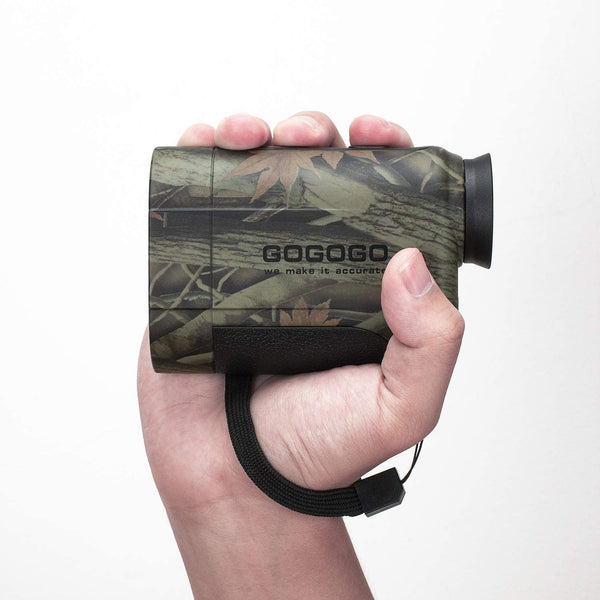
However, this brings us to a critical aspect of modern hunting: ethics. Being a true hunter involves more than just the act of hunting; it necessitates adherence to laws and regulations. This includes following guidelines regarding seasons, bag limits, and methods of hunting. Ethical hunters see themselves as stewards of wildlife, striving to maintain healthy populations and ecosystems. For those interested in improving their skills and ensuring a responsible hunting experience, utilizing tools such as a Hunting Laser Rangefinder can greatly enhance precision and effectiveness in the field.
The Skills Required for Successful Hunting
To be effective in hunting, one must develop a range of skills. Proficiency with hunting equipment—be it firearms, bows, or other tools—is paramount. This proficiency is not solely about accuracy but also about understanding the principles of tracking, processing, and ethically utilizing the game harvested. For instance, a successful hunt involves stalking the animal, understanding its behavior, and making a clean kill to minimize suffering.
Moreover, hunters must engage in regular practice to ensure their skills remain sharp. This commitment to practice not only enhances the likelihood of a successful hunt but also aligns with ethical hunting standards. Those who fail to practice may risk wounding animals and causing unnecessary suffering. This highlights the importance of respect for the game and the responsibility that comes with hunting.
- Follow the hunting regulations and laws.
- Learn about the animal and its habitat.
- Invest in proper equipment, such as the best hunting rangefinder 2025.
- Understand tracking and field dressing techniques.
- Commit to consuming and utilizing the entire animal after a hunt.
The Cultural and Economic Impact of Hunting
Beyond personal sustenance, hunting has significant cultural and economic implications. In many regions, particularly where hunting is a tradition, it fosters community bonds and provides a sense of identity. Moreover, hunting contributes to local economies, especially through tourism. Sport hunters often travel to different states or countries, bringing revenue through licenses and related expenditures like accommodation and food.
However, the debate surrounding hunting remains contentious. Critics argue against it on moral grounds, claiming that modern society does not require hunting for sustenance. This perspective overlooks the cultural significance and the role hunting plays in wildlife management. Legal and ethical hunting practices support conservation efforts, ensuring that wildlife populations remain sustainable and healthy.
In conclusion, hunting today embodies a blend of tradition, ethics, and practicality. As individuals navigate this complex landscape, it is essential to approach hunting with respect, skill, and a commitment to ethical practices. Engaging with tools such as a Hunting Laser Rangefinder can enhance the hunting experience, making it not just about the harvest, but about the journey of being a responsible and skilled hunter.


Leave a Reply