

The Packing Machine plays a crucial role in modern industries by improving speed, accuracy, and overall production output. In today’s fast-moving manufacturing world, companies rely heavily on the Packing Machine to handle repetitive packaging tasks that would otherwise take much more time and labor if done manually.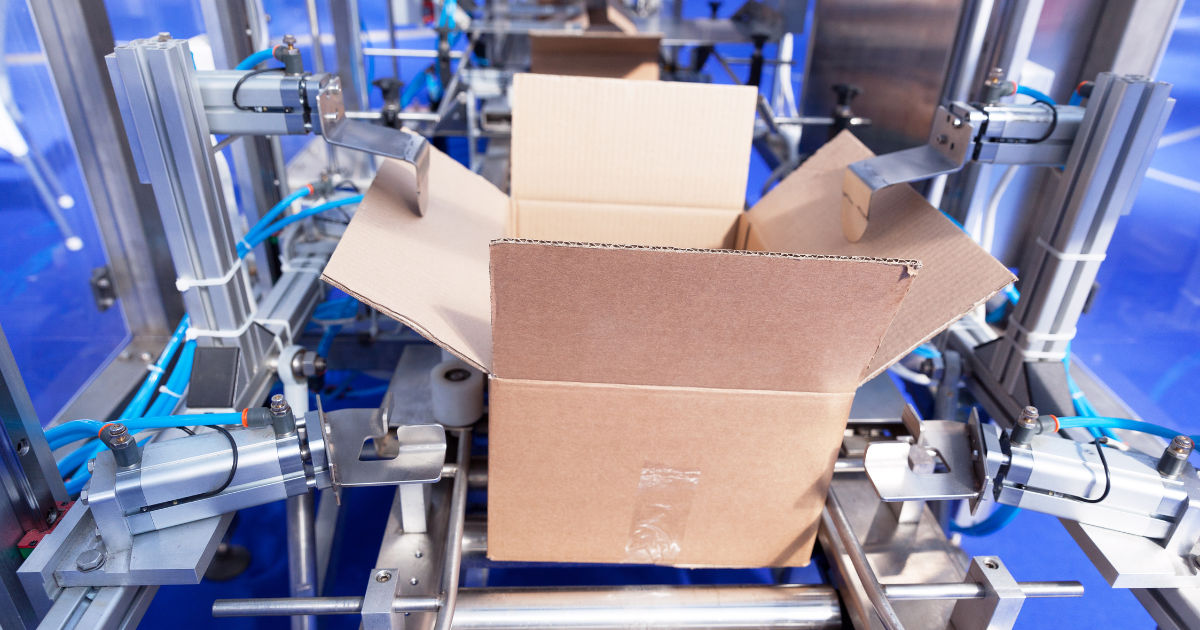
A Packing Machine is not just a tool; it is a complete system designed to streamline operations, reduce waste, and increase efficiency across production lines.
In this detailed guide, we will explore how Packing Machine technology increases efficiency in various industries. We will break down its functions, advantages, working principles, and real-world impact. The goal is to make it easy for a 12th-grade level reader to understand how modern packaging systems transform production environments.
The Role of Packing Machinery in Modern Industry
What Is a Packing Machine?
A Packing Machine is an automated or semi-automated system used to package products into containers, boxes, bags, or wrappers. It is widely used in industries like food processing, pharmaceuticals, cosmetics, agriculture, and manufacturing.
The main purpose of a Packing Machine is to speed up the packaging process while ensuring consistency and accuracy. Unlike manual packaging, which depends on human effort and can vary in quality, a Packing Machine delivers uniform results every time.
Why Packaging Matters in Production
Packaging is not just about wrapping products. It is about protection, presentation, storage, and transportation. A Packing Machine ensures that every product is securely packaged, reducing the risk of damage and contamination.
Without a Packing Machine, industries would face delays, higher labor costs, and inconsistent packaging quality. That is why automation has become essential in modern production systems.
How Packing Machinery Improves Efficiency
Faster Production Speed
One of the biggest advantages of a Packing Machine is speed. Manual packaging is slow and labor-intensive, but a Packing Machine can handle hundreds or even thousands of units per hour.
This increase in speed allows businesses to meet high demand without delays. When production lines are equipped with a Packing Machine, companies can operate continuously with minimal interruption.
Reduced Human Error
Human error is a common issue in manual packaging. Mistakes in labeling, sealing, or measuring can lead to product loss or customer dissatisfaction. A Packing Machine reduces these risks by standardizing every step of the process.
Since a Packing Machine follows programmed instructions, it ensures consistency and accuracy in every package.
Labor Cost Reduction
Another major efficiency gain comes from reducing labor costs. A Packing Machine can perform the work of multiple workers, reducing the need for large packaging teams.
While businesses still need operators and technicians, the overall workforce requirement decreases significantly. This allows companies to allocate resources more effectively.
Better Use of Materials
A Packing Machine is designed to optimize packaging materials. It uses precise measurements to avoid wastage of plastic, paper, or other packaging materials.
This not only reduces costs but also supports environmental sustainability. Efficient material use is one of the key reasons why industries invest in a Packing Machine.
Types of Packing Machines and Their Functions
Automatic Packing Machines
An automatic Packing Machine performs all packaging tasks without human intervention. From filling to sealing and labeling, everything is handled by the system.
These machines are ideal for large-scale production where speed and consistency are essential.
Semi-Automatic Packing Machines
A semi-automatic Packing Machine requires partial human input. For example, an operator may place the product, while the machine completes sealing or wrapping.
This type is suitable for medium-sized businesses looking to improve efficiency without full automation.
Vertical Packing Machines
A vertical Packing Machine is commonly used for packaging powders, grains, and liquids. Products are filled from the top and sealed vertically, making it highly efficient for food industries.
Horizontal Packing Machines
A horizontal Packing Machine is used for solid products like biscuits, soap, and hardware items. Products are packed horizontally, ensuring secure and compact packaging.
Key Mechanisms That Improve Efficiency
Automation and Smart Control Systems
Modern Packing Machine systems are equipped with smart controls and sensors. These technologies allow machines to adjust speed, temperature, and pressure automatically.
Automation reduces the need for manual supervision and ensures smooth production flow.
High Precision Measurement Systems
A Packing Machine uses advanced measuring systems to ensure exact quantities are packed. This reduces product giveaway and improves consistency.
Precision is especially important in industries like pharmaceuticals, where dosage accuracy is critical.
Continuous Operation Capability
Unlike human workers who need breaks, a Packing Machine can operate continuously for long hours. This increases production output significantly.
Continuous operation is one of the key reasons why factories rely on a Packing Machine for large-scale manufacturing.
Integration with Production Lines
A Packing Machine can be integrated into a full production line, working alongside filling, labeling, and sealing machines.
This integration creates a smooth workflow where each process is connected, reducing delays and improving efficiency.
Benefits of Packing Machines in Different Industries
Food Industry
In the food industry, a Packing Machine ensures hygiene and safety. It prevents contamination and extends product shelf life by sealing food properly.
Fast packaging also helps food manufacturers meet high market demand.
Pharmaceutical Industry
In pharmaceuticals, accuracy is critical. A Packing Machine ensures correct dosage packaging and proper labeling of medicines.
This reduces risk and ensures compliance with strict industry regulations.
Manufacturing Industry
Manufacturing industries use a Packing Machine to package tools, components, and finished goods efficiently.
This improves supply chain speed and reduces storage issues.
Agriculture Industry
Farmers and agricultural companies use a Packing Machine to pack grains, seeds, and fertilizers. This helps in preserving product quality and making transportation easier.
How Packing Machines Reduce Operational Costs
Lower Labor Expenses
A Packing Machine reduces the need for manual labor, which directly lowers salary and training costs.
Reduced Waste and Rework
Since a Packing Machine ensures accuracy, there is less product wastage and fewer packaging errors. This reduces the need for rework.
Energy Efficiency
Modern Packing Machine systems are designed to consume less energy while maintaining high output levels. This helps reduce utility costs.
Long-Term Investment Value
Although a Packing Machine requires initial investment, it provides long-term savings through improved efficiency and reduced operational costs.
Technological Advancements in Packing Machinery
Artificial Intelligence Integration
AI-powered Packing Machine systems can learn and optimize packaging processes over time. This improves speed and reduces errors.
IoT Connectivity
Many modern Packing Machine systems are connected to the Internet of Things (IoT). This allows remote monitoring and real-time performance tracking.
Advanced Sensors
Sensors in a Packing Machine help detect product size, weight, and position, ensuring precise packaging every time.
Robotics in Packaging
Robotic arms are often integrated into a Packing Machine setup to handle delicate or complex packaging tasks.
Challenges in Using Packing Machines
High Initial Cost
A Packing Machine can be expensive to install, which may be difficult for small businesses.
Maintenance Requirements
Regular maintenance is needed to keep a Packing Machine running smoothly.
Technical Training
Operators must be trained to use a Packing Machine effectively, which takes time and resources.
Future of Packing Machinery
The future of the Packing Machine industry is highly advanced. With increasing automation, machines will become faster, smarter, and more energy-efficient.
We can expect more AI-driven Packing Machine systems that require minimal human intervention. Sustainability will also become a major focus, with eco-friendly packaging solutions integrated into every Packing Machine.
Real-World Impact of Packing Machines
A Packing Machine has transformed industries by increasing production capacity and reducing human workload. Factories that once produced thousands of units per day can now produce millions using advanced Packing Machine systems.
This transformation has helped businesses grow faster and meet global demand more efficiently.
Conclusion
The Packing Machine is a vital innovation that has revolutionized modern production systems. By increasing speed, reducing errors, lowering costs, and improving overall efficiency, the Packing Machine has become an essential part of industries worldwide.
From food production to pharmaceuticals, the Packing Machine ensures accuracy, safety, and consistency in every package. Its ability to operate continuously and integrate with advanced technologies makes it a key driver of industrial growth.
As technology continues to evolve, the Packing Machine will become even more advanced, offering smarter, faster, and more sustainable packaging solutions. Businesses that invest in a Packing Machine today are preparing themselves for a more efficient and competitive future.


Leave a Reply