

Parents often want reassurance that their baby is safe, comfortable, and sleeping well. A baby monitor with a camera can provide that reassurance by allowing parents to see and hear their child from another room.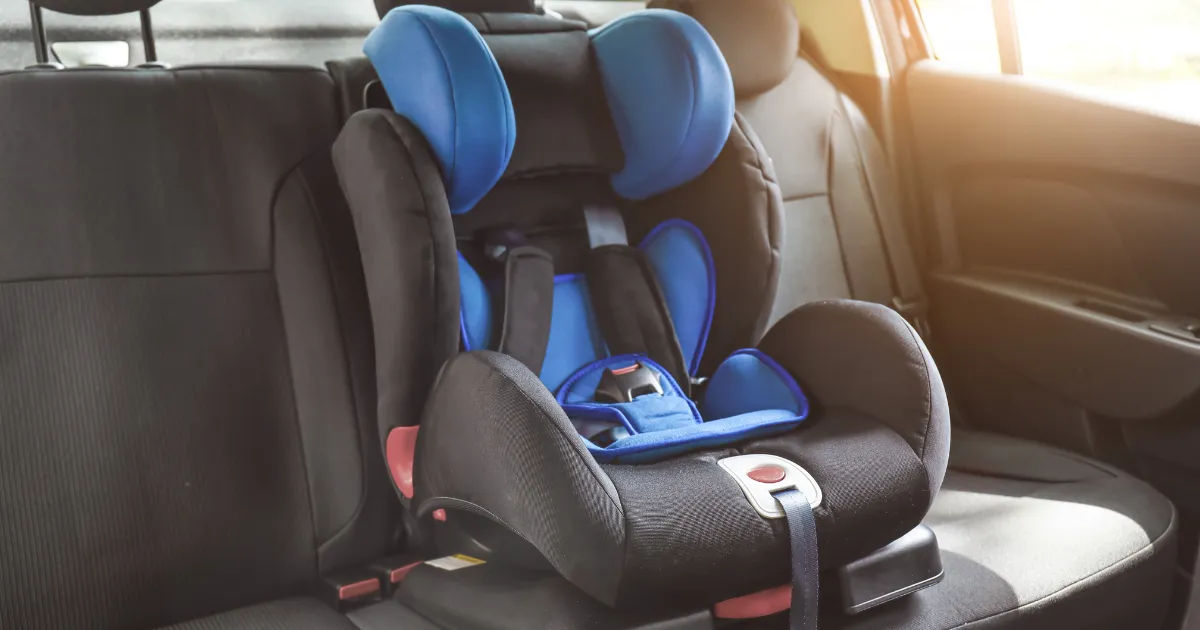
While traditional audio monitors have been used for many years, video monitors have become increasingly popular because they offer an extra layer of visibility.When comparing nursery products, some parents may also look at items such as a Baby seat cooler for travel or warm-weather comfort.
However, a camera monitor serves a different purpose: it helps parents observe sleep, movement, and general comfort without entering the nursery and accidentally waking the baby.So, is a baby monitor with a camera worth it? For many families, the answer is yes.
It can make nighttime routines easier, reduce unnecessary check-ins, and help parents feel more confident. Still, it is important to understand the benefits, limitations, features, costs, and safety considerations before choosing one.This guide explains everything parents need to know about video baby monitors and whether they are a worthwhile investment.
What Is a Baby Monitor with a Camera?
A baby monitor with a camera is a device that allows parents or caregivers to watch and listen to a baby remotely. It usually includes two main parts:
-
A camera placed in or near the nursery
-
A parent unit, smartphone app, or screen that displays the video feed
Most camera monitors also include audio. This means parents can hear crying, coughing, talking, or other sounds while also seeing what is happening in the room.
Some models use a dedicated monitor screen. Others connect through Wi-Fi and allow parents to check the camera using a mobile phone or tablet. More advanced models may include night vision, temperature sensors, movement alerts, two-way talk, and sleep tracking features.
A Baby seat cooler may help keep a child comfortable during outdoor travel, but a video monitor is designed for indoor supervision. Both products can support parents in different situations, especially when comfort and safety are important.
Why Parents Consider Video Baby Monitors
Babies cannot explain when they are uncomfortable, too warm, awake, or struggling to settle down. Parents often feel the need to check on them frequently, especially during the first year.
A video monitor gives parents a way to look in without opening the nursery door. This can be helpful during naps, bedtime, and nighttime wake-ups.
Many parents choose a camera monitor because they want answers to simple questions, such as:
-
Is the baby sleeping or crying?
-
Did the baby roll into an uncomfortable position?
-
Is the baby standing in the crib?
-
Did the baby drop their pacifier?
-
Is the baby awake but calm?
-
Is the baby too warm or too cold?
-
Is the baby calling for a parent?
Instead of guessing based on sounds alone, parents can quickly check the screen.
The Main Benefits of a Baby Monitor with Camera
It Provides Visual Reassurance
The biggest advantage of a video monitor is the ability to see the baby. Audio monitors can tell parents that a baby is making noise, but they cannot show why.
For example, a baby may make small sounds while still sleeping. Without a camera, a parent may rush into the nursery and accidentally wake the baby. With a camera monitor, the parent can see whether the baby is truly awake or simply moving during a light sleep stage.
This visual reassurance can reduce stress and help parents make calmer decisions.
It Helps Parents Avoid Unnecessary Check-Ins
Many babies wake briefly between sleep cycles. They may move, sigh, cry for a few seconds, or make unusual sounds before settling back to sleep.
A camera monitor helps parents observe these moments without immediately entering the room. This can support healthy sleep habits because babies sometimes need a short amount of time to settle themselves.
Parents can watch the screen and decide whether their child needs help. If the baby is calm and safe, there may be no need to interrupt their sleep.
It Can Improve Nighttime Routines
Nighttime can be challenging for parents, especially when babies wake several times. A camera monitor can make these moments more manageable.
Instead of walking to the nursery every time a sound is heard, parents can check the monitor first. If the baby is only shifting positions, there may be no need to get out of bed. If the baby is crying or sitting up, the parent can respond quickly.
This may not eliminate nighttime wake-ups, but it can reduce unnecessary trips and help parents get more rest.
It Helps Monitor Older Babies and Toddlers
Camera monitors are not only useful for newborns. They can remain helpful as babies grow into toddlers.
Older babies may stand in their crib, throw toys, remove sleep sacks, or attempt to climb. Toddlers may leave their bed, play quietly, or call for a parent after bedtime.
A video monitor lets parents see what is happening before entering the room. This can be especially useful during the transition from crib to toddler bed.
A Baby seat cooler may be useful when a toddler is riding in a car seat during hot weather, while a camera monitor can help parents supervise the same child during naps and bedtime at home.
It Can Be Helpful for Multiple Children
Families with more than one child may find video monitors especially useful. Some models allow parents to connect several cameras to one screen.
For example, a parent may place one camera in a baby’s nursery and another in a toddler’s bedroom. This makes it easier to keep an eye on both children without moving between rooms.
Split-screen monitors can display more than one camera feed at the same time. This can be useful for twins, siblings sharing a room, or children sleeping in separate rooms.
It May Support Caregivers and Babysitters
A baby monitor with a camera can also be useful when grandparents, babysitters, or other caregivers are helping with childcare.
The caregiver can quickly check the baby without entering the room. This may help them follow the baby’s usual sleep routine and respond appropriately if the child wakes.
However, parents should explain how the monitor works and make sure caregivers understand basic safety rules. A monitor should support supervision, not replace responsible caregiving.
Important Features to Look For
Not all baby monitors with cameras are the same. Some are simple and affordable, while others include advanced technology. Before buying one, parents should think about which features are actually useful for their household.
Night Vision
Night vision is one of the most important features in a video baby monitor. Babies usually sleep in dark or dim rooms, especially at night.
Most camera monitors use infrared night vision. This allows parents to see the baby in black and white without turning on bright lights.
A good night vision feature should provide a clear image even when the room is dark. Parents should also make sure the camera can show the entire crib area.
Clear Audio
Video is useful, but audio still matters. Parents need to hear crying, coughing, or calling from the nursery.
Look for a monitor with clear sound and adjustable volume. Some monitors include sound-activated lights, which can be helpful when the parent unit is muted.
A monitor should allow parents to hear important sounds without picking up every small background noise.
Two-Way Talk
Two-way talk allows parents to speak to their baby through the monitor. This can be useful when a parent wants to soothe a child without entering the room immediately.
For example, a parent may say, “I’m here,” or gently remind a toddler to lie down. Some babies may calm down after hearing a familiar voice.
However, two-way talk does not work for every child. Some babies may become more upset if they hear a parent but cannot see them.
Temperature Monitoring
Some monitors include a temperature sensor that shows the nursery temperature on the parent screen or app.
This can be useful because babies may sleep better in a room that is not too hot or too cold. Parents can use the information to adjust clothing, bedding, fans, or heating.
Still, temperature readings should be treated as general guidance. The camera sensor may not always reflect the exact temperature near the crib.
A Baby seat cooler can be useful for reducing heat buildup in a child’s seat during travel, while a nursery temperature monitor can help parents manage comfort during sleep.
Pan, Tilt, and Zoom
Pan, tilt, and zoom features allow parents to adjust the camera view from the parent unit or app.
This is helpful when babies become more mobile. A child may crawl, stand, or move to a different area of the crib. Instead of entering the room to adjust the camera, parents can change the angle remotely.
Zoom can also help parents see whether a baby is sleeping peacefully or needs attention.
Long Battery Life
If the monitor uses a separate parent unit, battery life matters. A monitor that needs frequent charging can become frustrating, especially overnight.
Look for a model with a reliable battery and a low-battery warning. Some monitors also include an audio-only mode that saves power.
Secure Connection
Security is one of the most important considerations for Wi-Fi baby monitors. Parents should choose devices with strong security features, password protection, and software updates.
A non-Wi-Fi monitor may be simpler for parents who prefer a private connection between the camera and parent unit. Wi-Fi monitors can be convenient, but they may require more attention to account security.
Parents should always use strong passwords, update the monitor’s software, and avoid sharing access with people who do not need it.
Video Monitor vs. Audio Monitor
An audio monitor allows parents to hear their baby, while a video monitor allows them to see and hear the baby.
Both types can be useful, but they offer different experiences.
Audio Monitor Advantages
Audio monitors are often less expensive. They are usually easy to use and may have a longer battery life.
They can work well for parents who only want to hear when their baby cries. They may also be a good choice for families who prefer fewer screens and less technology.
Video Monitor Advantages
Video monitors offer more information. Parents can see whether the baby is awake, sleeping, moving, or standing.
They can be especially helpful for anxious parents, parents of toddlers, or families with large homes where the nursery is far from the main living area.
A video monitor can also help parents decide whether they need to respond right away or wait a moment.
Which One Is Better?
Neither option is automatically better for every family. The right choice depends on budget, home layout, comfort level, and parenting style.
Parents who want simple audio alerts may be happy with an audio monitor. Parents who want more visual reassurance may find that a camera monitor is worth the extra cost.
Are Baby Monitor Cameras Safe?
Baby monitor cameras can be safe when they are installed correctly and used responsibly. However, parents should follow important safety guidelines.
Keep Cords Away from the Crib
Camera cords should always be placed far away from the crib. Cords can create a strangulation risk if a baby can reach them.
The camera should be mounted securely on a wall, shelf, or high furniture area where the baby cannot touch it. Parents should regularly check that cords remain out of reach.
Do Not Place the Camera Inside the Crib
The camera should never be placed inside the crib, bassinet, or play yard. It should be positioned outside the sleeping area.
The camera should provide a clear view without adding toys, wires, pillows, or other items near the baby.
Follow Safe Sleep Guidelines
A baby monitor is not a substitute for safe sleep practices. Babies should sleep on their backs on a firm, flat sleep surface with no loose blankets, pillows, stuffed animals, or crib bumpers.
The monitor can help parents observe the baby, but it cannot prevent unsafe sleep conditions.
Avoid Relying Too Much on Alerts
Some advanced monitors offer breathing, movement, or sleep alerts. These features may sound helpful, but they should not replace medical advice or safe sleep habits.
Parents should understand that consumer monitors are not medical devices unless they are specifically approved for medical use. If a baby has breathing concerns or a health condition, parents should speak with a pediatrician.
Potential Drawbacks of Video Baby Monitors
While camera monitors can be helpful, they are not perfect. Parents should consider the possible disadvantages before buying one.
They Can Be Expensive
Video monitors often cost more than audio-only monitors. Models with Wi-Fi, apps, multiple cameras, large screens, and advanced features can be costly.
Parents should decide which features are necessary. A basic camera monitor may be enough for many families.
A Baby seat cooler may also be one of several child comfort products parents consider, so it is helpful to create a realistic budget rather than buying every available accessory.
They May Increase Anxiety for Some Parents
For some parents, having constant access to a camera can lead to excessive checking. Instead of feeling reassured, they may become more worried about every small movement or sound.
Babies often move, twitch, make noises, and briefly wake during sleep. Watching every moment can make normal behavior seem alarming.
Parents who notice that the monitor increases stress may benefit from setting limits, such as checking only when they hear a sound or during planned times.
Wi-Fi Models Can Have Privacy Concerns
Wi-Fi baby monitors can be convenient because parents can check the camera from a phone while away from home. However, internet-connected devices can create privacy concerns.
Parents should choose reputable brands, use strong passwords, enable two-factor authentication if available, and keep the device updated.
If privacy is a major concern, a non-Wi-Fi monitor with a dedicated screen may be a better choice.
Technology Can Fail
Like any electronic device, a baby monitor can lose connection, run out of battery, freeze, or experience interference.
Parents should not rely on the monitor as the only way to know whether their baby needs help. They should still use common sense, listen for sounds in the home, and check on the baby when needed.
When a Baby Monitor with Camera Is Most Worth It
A video baby monitor may be especially worthwhile in certain situations.
Large Homes
In a large home, parents may not always hear the baby clearly from another room. A camera monitor can provide both sound and visual information.
Separate Floors
If the nursery is on a different floor, a video monitor can help parents feel more connected and aware.
Babies Who Make Many Sleep Sounds
Some babies are noisy sleepers. They may grunt, move, or cry briefly without waking fully. A camera monitor can help parents determine whether the baby truly needs attention.
Toddlers Transitioning to a Bed
When toddlers move from a crib to a bed, parents may want to see whether they are staying in bed, playing, or trying to leave the room.
Parents Returning to Work
Parents returning to work may find that a monitor helps caregivers follow routines at home. It can also be useful for checking on naps when working in another part of the house.
Families with Twins
Twins may wake at different times. A monitor with multiple camera views can help parents see which baby needs attention.
When It May Not Be Necessary
A camera monitor may not be necessary for every family.
Parents may not need one if:
-
The baby sleeps close to them.
-
The home is small and sounds are easy to hear.
-
They are comfortable using an audio monitor.
-
They prefer to avoid screens.
-
Their budget is limited.
-
They feel that a camera monitor would increase anxiety.
A Baby seat cooler and a video monitor are both optional products. They can be helpful in the right situation, but neither is required for good parenting. The best choice is the one that supports the family’s daily routine without creating unnecessary stress.
How to Choose the Right Video Baby Monitor
Before buying a monitor, parents should consider several questions.
What Is the Size of the Home?
A larger home may require a monitor with a longer range. Parents should think about where they spend most of their time while the baby sleeps.
Do You Need Wi-Fi Access?
Wi-Fi monitors allow parents to view the camera through a phone. This can be convenient when traveling or when a caregiver is at home.
However, non-Wi-Fi monitors may be easier to use and may offer more privacy.
How Many Cameras Are Needed?
Families with one child may only need one camera. Families with twins or multiple children may benefit from a system that supports several cameras.
What Is the Budget?
Parents should decide how much they are comfortable spending. A higher price does not always mean a better fit.
Basic monitors can provide clear video, night vision, and audio without expensive extras.
Are Extra Features Really Useful?
Features such as sleep tracking, movement alerts, and app access can be useful, but they are not essential for every family.
Parents should focus on the basics first: clear video, reliable sound, safe installation, good battery life, and a secure connection.
Tips for Using a Camera Monitor Effectively
A baby monitor works best when parents use it as a helpful tool rather than a source of constant worry.
Position the Camera Carefully
Place the camera where it can clearly show the crib and sleeping area. Avoid placing it too close to the baby.
Check the view during both daytime and nighttime to make sure the image is clear.
Test the Range
Walk around the home with the parent unit or phone to make sure the connection works in common areas.
Test the monitor before relying on it overnight.
Keep the Screen at a Comfortable Volume
The volume should be loud enough to alert parents when needed but not so loud that every small sound causes stress.
Charge Devices Regularly
Charge the parent unit before bedtime. If using a phone app, make sure the phone has enough battery and notifications are enabled.
Use the Monitor Alongside Safe Sleep Habits
A monitor is useful, but safe sleep practices remain the most important part of protecting a baby during sleep.
Conclusion
A baby monitor with a camera can be worth it for many families because it provides visual reassurance, helps parents avoid unnecessary check-ins, and supports smoother sleep routines. It can be especially useful in larger homes, for parents of toddlers, families with twins, and caregivers who want a clearer view of what is happening in the nursery.
However, a video monitor is not essential for every household. Some parents may prefer a simple audio monitor, especially if they live in a small home or want to avoid extra screens. Others may find that constant video access increases anxiety instead of reducing it.
The best baby monitor is one that fits the family’s needs, budget, and comfort level. Parents should choose a model with reliable video, clear audio, night vision, secure connectivity, and safe installation options.
Like a Baby seat cooler, a video monitor is designed to make parenting more convenient in specific situations. A Baby seat cooler can support comfort during travel, while a camera monitor can support peace of mind during sleep. Both can be useful, but the value depends on how well they fit into everyday family life.
For many parents, a baby monitor with a camera is worth the investment because it offers a simple but powerful benefit: the ability to check on a baby with greater confidence, comfort, and convenience.


Leave a Reply