

In contemporary power generation where equipment selection increasingly depends on specific application requirements fuel flexibility and operational efficiency the comparison between Fuel Inverter generator vs regular Inverter generator represents a critical consideration for users seeking optimal power solutions This analysis examines technical differences operational advantages and practical applications that distinguish these generator types while providing comprehensive information to guide equipment selection based on individual requirements environmental factors and operational scenarios across residential commercial and recreational contexts
The fundamental distinction between Fuel Inverter generator vs regular Inverter generator lies in their fuel systems and operational flexibility with fuel inverter generators designed to operate on multiple fuel types typically gasoline and propane while regular inverter generators utilize single fuel sources usually gasoline This difference creates significant implications for fuel availability storage safety operational costs and environmental impact across various applications and geographic locations where fuel accessibility and pricing vary considerably based on regional factors seasonal conditions and supply chain considerations
Technical Specifications and Comparative Performance Parameters
Detailed examination of fuel inverter generators versus regular inverter generators reveals comprehensive technical specifications that translate directly to practical benefits across various applications Fuel inverter generators typically offer power capacities ranging from 1800 to 11250 watts with dual fuel capability providing operational flexibility while regular inverter generators deliver similar power ranges with single fuel simplicity Key performance metrics include voltage stability within ±1 under varying load conditions for both generator types frequency regulation within ±05 Hz and total harmonic distortion maintained below 3 ensuring compatibility with sensitive electronics regardless of fuel configuration The fuel efficiency comparison represents another critical consideration with advanced engine management systems in both generator types continuously adjusting fuel consumption based on actual load requirements though fuel inverter generators demonstrate particular advantages during propane operation where cleaner combustion and extended storage life create operational benefits compared to gasoline only systems
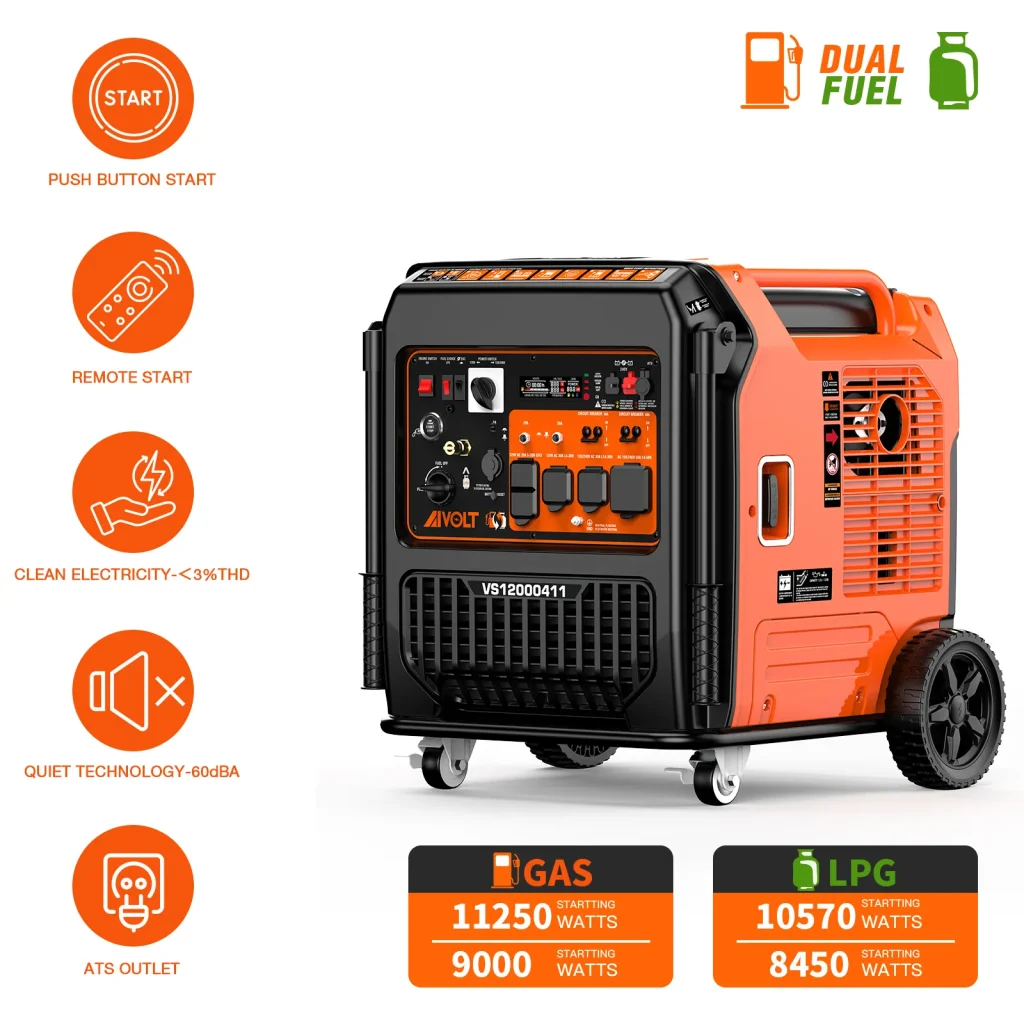
Operational considerations extend beyond technical specifications to include practical factors that significantly influence user experience and equipment utility across different generator types Fuel inverter generators provide enhanced flexibility through multiple fuel options allowing users to select based on availability pricing storage considerations and environmental preferences while regular inverter generators offer simplicity with single fuel systems that reduce complexity and potential maintenance requirements Noise reduction technologies maintain operational volume below 68 decibels at 23 feet for both generator types a substantial improvement over conventional generators while portable designs with integrated wheels and handles facilitate easy movement between locations without requiring additional equipment or excessive physical effort regardless of fuel configuration
Beyond product performance AIVOLT emphasizes comprehensive customer engagement through multiple communication channels designed to support users throughout their equipment ownership experience The company maintains dedicated technical support resources including telephone assistance lines detailed online documentation with troubleshooting guides and responsive social media presence across platforms like Facebook Instagram and YouTube where users can access demonstrations tips and community support These resources ensure customers can maximize their equipment investment while the companys commitment to responsive service enhances overall satisfaction and builds long term relationships with users across various market segments For those seeking additional information or specific guidance the companys contact channels remain readily available to address inquiries and provide personalized assistance tailored to individual power requirements and applications
Key comparative advantages between fuel inverter generators and regular inverter generators include several distinct benefits that collectively influence equipment selection across various power applications
- Fuel flexibility through multiple fuel options providing operational adaptability based on availability pricing and storage considerations
- Extended runtime capabilities through propane operation that offers cleaner combustion and longer fuel storage life compared to gasoline
- Environmental benefits through reduced emissions during propane operation and efficient fuel utilization across both generator types
- Operational simplicity with regular inverter generators offering straightforward single fuel systems that reduce complexity
- Cost effectiveness through fuel selection options that allow users to optimize operating expenses based on regional fuel pricing
- Storage advantages with propane offering indefinite shelf life compared to gasoline that requires stabilization and rotation
- Safety considerations through cleaner burning propane that reduces fire hazards and environmental contamination risks
- Application versatility across various scenarios from residential backup power to professional job sites and recreational activities
As power requirements continue to evolve and users seek solutions that balance performance with practical considerations like fuel flexibility environmental impact and operational simplicity the comparison between Fuel Inverter generator vs regular Inverter generator represents essential knowledge for informed equipment selection This analysis reflects broader market trends toward solutions that address multiple user priorities simultaneously creating value across technical performance practical implementation and environmental responsibility dimensions that matter to contemporary consumers and professionals engaged in various activities requiring reliable portable power across residential commercial recreational and emergency contexts where appropriate equipment selection increasingly determines operational success and user satisfaction


Leave a Reply