

If you’ve recently had a tree removed from your yard, you’ve likely noticed the pile of wood chips left behind after the stump grinding process. Many homeowners wonder what exactly happens to these wood chips, whether they’re useful, and how they can be handled efficiently.
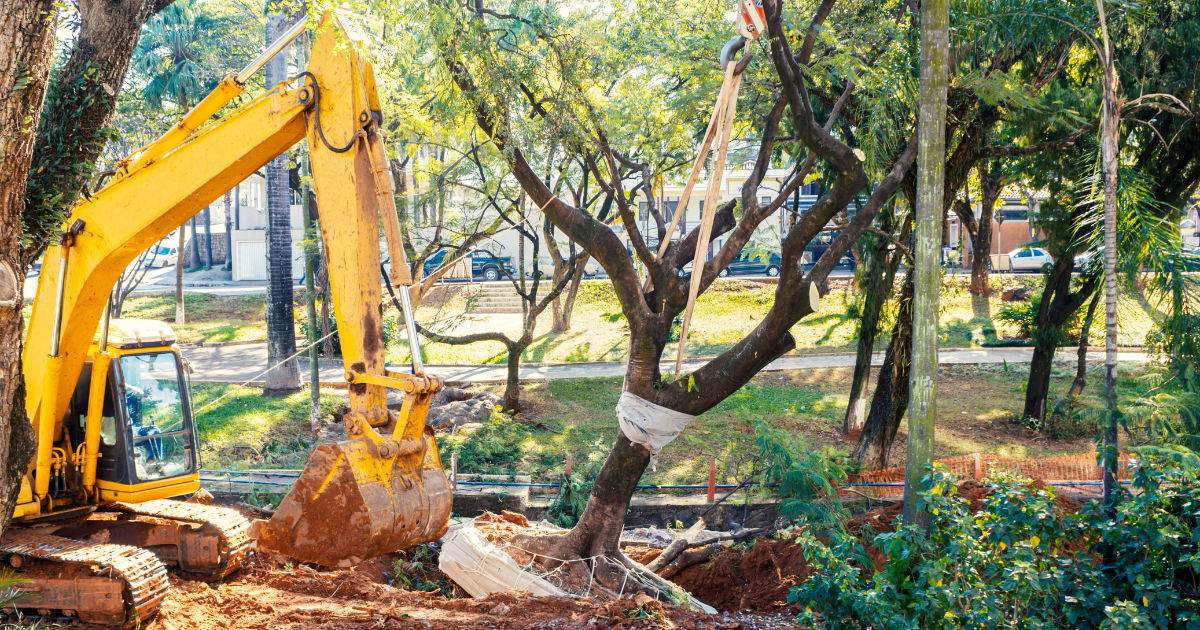
In this guide, we’ll explore everything you need to know about wood chips after stump grinding. Whether you’re considering professional stump grinding services or planning to tackle it yourself, this guide will give you detailed insights.
Stump Grinding and Wood Chips
When a tree is removed, the stump and roots often remain, leaving an unsightly remnant in your landscape. Stump grinding is the process of using a specialized machine to break the stump into small, manageable pieces. The primary byproduct of this process is wood chips. These chips vary in size depending on the grinder used, the type of wood, and the size of the stump.
Professional stump grinding services typically leave wood chips scattered over the ground, sometimes filling the stump hole entirely. For homeowners, these chips are often a surprise—both in volume and appearance. Understanding what happens to these wood chips and how to make the best use of them is essential for efficient yard management.
The Composition of Wood Chips from Stump Grinding
Wood chips are primarily composed of shredded wood fibers. They may include:
-
Bark fragments
-
Core wood
-
Small root pieces
-
Occasional soil particles
These wood chips are usually coarse immediately after grinding but break down over time. They can vary in color, from light tan to deep brown, depending on the species of tree. Hardwoods produce denser chips, which take longer to decompose, while softwoods break down more quickly.
Immediate Effects of Wood Chips on Your Yard
Right after stump grinding, the wood chips may seem like a messy nuisance, but they have some immediate benefits:
-
Soil Protection: Wood chips help protect the soil from erosion and water runoff.
-
Moisture Retention: They act as a natural mulch, retaining moisture for surrounding plants.
-
Weed Suppression: A thick layer of wood chips can reduce weed growth around the area.
However, if left unmanaged, wood chips can also attract pests or create fungal growth. It’s essential to know how to handle them properly.
Ways to Handle Wood Chips After Stump Grinding
There are several ways to manage wood chips once they’ve been left behind:
1. Leave Them on Site
Many homeowners choose to leave the wood chips where the stump was ground. This method is practical for small piles, and the chips will eventually decompose, enriching the soil naturally.
2. Use as Mulch
Wood chips make excellent mulch for gardens, flower beds, and around trees. They help conserve soil moisture, regulate temperature, and reduce weed growth. Make sure to keep a layer of chips about 2–3 inches thick for best results.
3. Composting
Wood chips can be added to compost piles. However, because they are high in carbon, they need to be balanced with nitrogen-rich materials like grass clippings, kitchen waste, or manure. Over time, the composted wood chips turn into nutrient-rich soil.
4. Pathways and Landscaping
Chips from stump grinding can be used to create natural pathways or rustic landscaping features. They provide a soft, safe surface and improve aesthetics in gardens and yards.
5. Disposal
If you prefer not to keep the wood chips, many local waste management services accept them for yard waste. You can also contact landscaping companies to see if they will haul the chips away for you.
Decomposition Process of Wood Chips
One of the most important aspects of wood chips is their decomposition. The breakdown process depends on several factors:
-
Wood Type: Hardwoods like oak and maple decompose more slowly, while softwoods like pine break down faster.
-
Size of Chips: Smaller chips decompose faster than larger chunks.
-
Climate: Moist, warm conditions accelerate decomposition, while dry or cold climates slow it down.
-
Soil Contact: Chips in contact with soil decompose faster due to microbial activity.
During decomposition, the wood chips release nutrients like nitrogen, phosphorus, and potassium, which are beneficial for plants. However, freshly ground wood chips can temporarily lock nitrogen in the soil, potentially affecting plant growth if applied too heavily.
Benefits of Reusing Wood Chips
Repurposing wood chips from stump grinding has many advantages:
-
Eco-Friendly: Reduces waste and promotes sustainable landscaping.
-
Cost-Effective: Eliminates the need to buy commercial mulch or soil amendments.
-
Soil Improvement: Enhances soil structure and fertility over time.
-
Aesthetic Appeal: Creates a natural and visually pleasing landscape.
-
Pest Control: Thick layers of wood chips can deter certain pests when used correctly.
Cautions When Using Wood Chips
While wood chips have many benefits, there are a few precautions to keep in mind:
-
Avoid piling wood chips directly against tree trunks or plant stems, as this can promote rot.
-
Fresh wood chips can temporarily reduce soil nitrogen levels. Mixing with compost or waiting for partial decomposition can mitigate this.
-
Monitor moisture levels to prevent fungal growth or mold formation.
The Role of Professional Stump Grinding Services
Hiring professional stump grinding services has multiple advantages beyond just removing the stump:
-
Efficiency: Professionals can grind the stump down to below ground level quickly.
-
Clean-Up: Many services offer wood chip removal or redistribution.
-
Safety: Avoids the risk of injury when handling large machinery.
-
Advice on Wood Chip Use: Experts can guide homeowners on the best ways to reuse or dispose of wood chips.
Professional companies often have equipment that produces smaller, more uniform wood chips, making them easier to handle and more suitable for mulch or landscaping.
Creative Uses for Wood Chips
If you want to get creative, wood chips offer several innovative uses:
-
Garden Paths: Create rustic walkways through your garden.
-
Play Areas: Use chips in playgrounds as a soft, natural surface.
-
Animal Bedding: Wood chips are suitable for livestock or pet bedding when free of toxins.
-
Smokers for BBQ: Certain hardwood chips can be used to add flavor to smoked foods.
-
Erosion Control: Spread on slopes to reduce soil erosion.
These uses not only repurpose waste but also enhance your property in practical ways.
Tips for Using Wood Chips Effectively
-
Age the Chips: Let fresh chips age for a few months to reduce nitrogen lock in the soil.
-
Mix with Soil or Compost: Enhances decomposition and nutrient availability.
-
Spread Evenly: Avoid thick piles that prevent water from reaching the soil.
-
Monitor Moisture: Keep chips slightly moist for decomposition but not soggy to prevent mold.
Conclusion
Wood chips left after stump grinding are not just waste—they are a valuable resource for your garden and yard. With proper handling, they can improve soil health, provide natural mulch, create beautiful landscaping features, and even be composted for long-term benefits. Understanding the decomposition process, the benefits, and potential challenges ensures you make the most out of every chip.
Professional stump grinding services not only remove unsightly stumps efficiently but also provide guidance on wood chip management, ensuring your yard remains both functional and attractive. By reusing or properly disposing of wood chips, you contribute to sustainable landscaping practices while enhancing the beauty and health of your outdoor space.
In short, the wood chips you see after stump grinding are more than just debris—they are nature’s gift to your garden, waiting to be put to work in multiple beneficial ways. Proper planning and creative use can turn a simple stump grinding project into a valuable landscaping opportunity.


Leave a Reply