

Introduction
Here’s a plain truth: every minute a pallet waits, money leaks. In modern factories, robotics software makes those minutes visible, and fixable. Teams adopting robotic amr software often cut empty travel and reduce jams, even in busy peaks. But walk a floor at 4 p.m., when inbound spikes hit, and you’ll still see carts ridge-locked, AMRs hesitating, and operators stepping in. The data is there—sensor feeds, WMS job queues, battery levels—yet the decision loop falls behind. Why does that happen? Because many sites still rely on rigid handoffs and rule layers that were never built for real-time flow (and never patched for it either). The result is a lag between what the fleet senses and what it decides. That lag is small, but it stings. Ready to see where that gap starts—and how to close it?
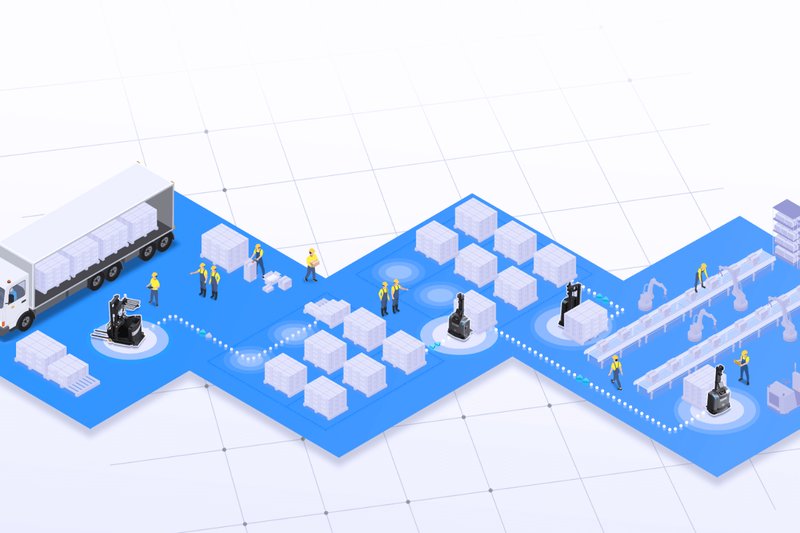
Where Legacy Playbooks Trip Up
Where do legacy approaches break down?
Let’s be technical for a moment. Traditional stacks bind tasks to routes early, using fixed priorities from a WMS and simple queue rules in a PLC. They assume the map is stable and the aisle is free. But live floors change. A forklift swings wide, a tote tips, a charger goes offline. Without event-driven control, the message broker floods or starves, and AMRs wait for instructions that arrive a beat too late. SLAM updates, sensor fusion, and battery curves all shift in seconds. The rule tree does not. Look, it’s simpler than you think: if task assignment is detached from live constraints, micro-delays pile into real downtime.
There’s more. Legacy systems often centralize every choice, so one scheduler becomes a bottleneck. Under load, Quality of Service settings drop, retries spike, and path planners re-run more than they should. That creates the “accordion effect” you feel at shift change. Edge computing nodes are either missing or idle, so local detours never get approved fast enough. And when power converters throttle charge during peak draw, no one rebalances the fleet. The flaw is not the robot. It’s the handoff between perception, tasking, and energy policy—three layers that must talk in milliseconds, not minutes.
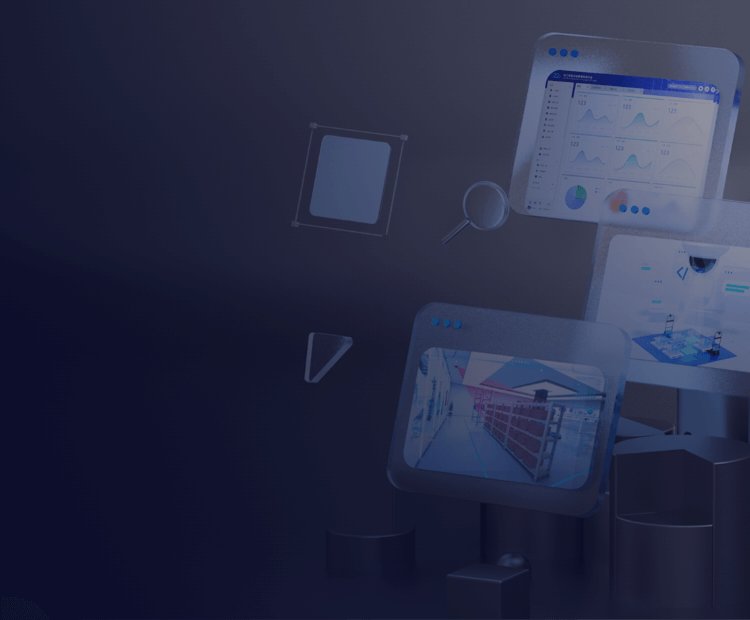
From Rules to Signals: What’s Next for AMR Control
What’s Next
Now, compare two paths forward. One keeps fixed priorities and batch planners. The other adopts signal-first control, where robotic amr software listens to live events and acts on them right away. New principles make this work: decentralized fleet orchestration that pushes some decisions to the edge; ROS 2 with tuned QoS profiles for predictable latency; and planners that weigh aisle density, charger queues, and task deadlines in one sweep. Add a light digital twin to simulate near-term moves, and you get fewer reversals and cleaner merges. Small changes, big effect—funny how that works, right?
This shift is practical, not hype. Event-driven tasking means AMRs claim jobs when they are best placed, not when a central queue first guessed. Sensor fusion refines SLAM in crowded zones, so robots avoid “ghost blocks.” Power-aware routing spreads loads to chargers that can accept them now, based on actual draw seen at the power converters. And when the message broker sees back-pressure, it degrades gracefully instead of collapsing. The floor feels smoother because the system respects time as a resource. Less wait. Fewer resets. More finished picks per hour.
So what should you measure to choose well? Three metrics make the comparison fair and clear. First, latency under load: task assignment and path update times when traffic is heavy. Second, recovery time from failure: how fast the fleet re-routes after a blocked aisle or a down charger. Third, fleet utilization over a full shift: the share of active motion versus idle, including charge cycles. If these improve together, you’re on the right track. We’ve seen how old rule stacks stall, and how signal-first control restores flow without heroics. Keep it polite, keep it simple, and let live data lead the way. For continued learning and tools to evaluate, visit SEER Robotics.


Leave a Reply