

Introduction
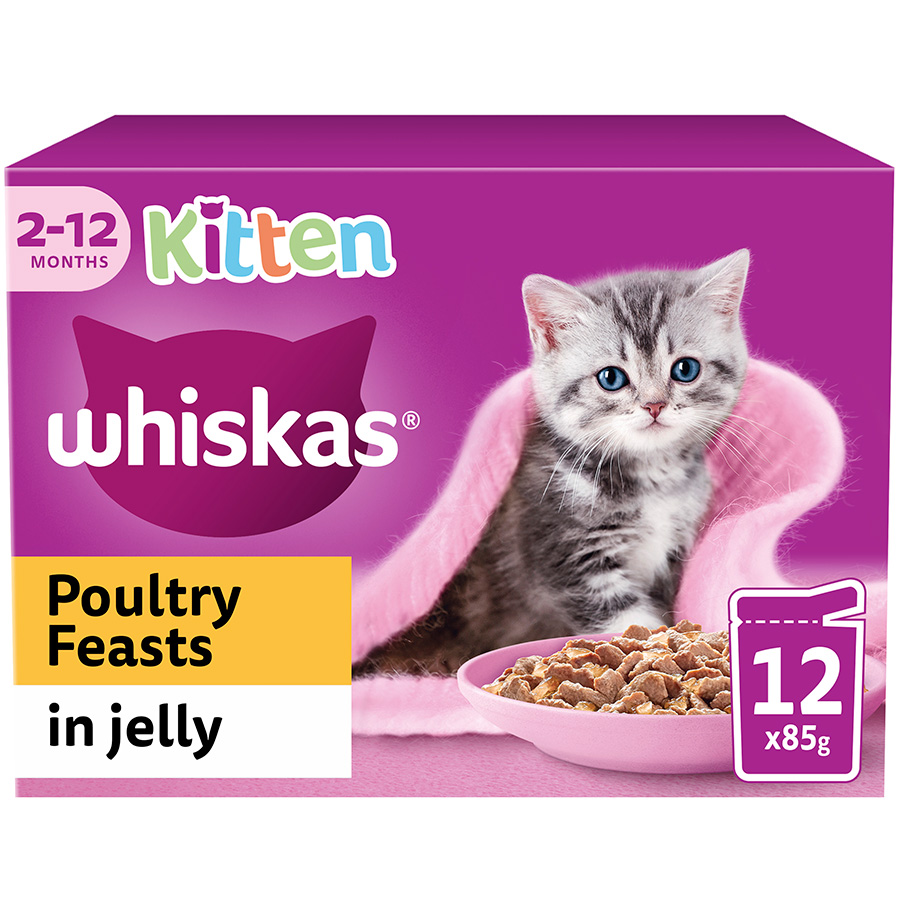
Providing the right nutrition for kittens is essential for their growth, energy, and overall well-being. Kitten food is specially designed to meet their unique dietary needs, ensuring they develop into healthy adult cats.
Key Nutritional Components of Kitten Food
1. Protein
Kittens require high levels of protein to support muscle growth and tissue development. The best sources include chicken, fish, turkey, and lamb.
2. Fats
Healthy fats provide energy and aid in brain development. Look for omega-3 and omega-6 fatty acids, commonly found in fish oil and poultry fat.
3. Carbohydrates
Although cats are obligate carnivores, carbohydrates like sweet potatoes and brown rice provide additional energy and fiber for digestion.
4. Vitamins and Minerals
Essential nutrients include:
- Calcium & Phosphorus for strong bones
- Taurine for heart and vision health
- Vitamins A, D, and E for immune function
Types of Kitten Food
1. Dry Kitten Food
- Convenient and long-lasting
- Supports dental health
- Requires adequate hydration
2. Wet Kitten Food
- Higher moisture content
- Easier to chew and digest
- More palatable for picky eaters
3. Raw or Homemade Diets
- Can be nutritious but requires careful balance
- Should be supplemented to meet all dietary needs
- Best prepared under veterinary guidance
Choosing the Best Kitten Food
1. Read the Label
Look for high-quality animal protein as the first ingredient and avoid artificial additives or by-products.
2. Look for AAFCO Certification
This ensures the food meets the required nutritional standards.
3. Consider Special Dietary Needs
Some kittens may require grain-free, hypoallergenic, or sensitive stomach formulas.
Feeding Schedule by Age
- 0-6 weeks: Mother’s milk or kitten formula
- 6-12 weeks: 4-5 small meals daily
- 3-6 months: 3-4 meals daily
- 6-12 months: 2-3 meals daily
Transitioning to Adult Cat Food
By 12 months, gradually introduce adult cat food over a 7-10 day period to avoid digestive issues.
Common Feeding Mistakes
- Feeding adult cat food too early
- Lack of hydration with dry food
- Overfeeding or underfeeding
- Ignoring dietary allergies or intolerances
Conclusion
A balanced diet is crucial for your kitten’s health and development. Choosing high-quality, nutritionally complete kitten food will help your furry friend thrive. Always consult your veterinarian for personalized dietary recommendations.


Leave a Reply